
Articles & Resources
Conversations That Matter
Conversations That Matter brings patients, survivors, healthcare professionals, advocates, and other voices together for candid conversations about the issues that shape life during and beyond cancer. Each conversation is designed to educate, empower, and provide practical resources patients and families can use.
By Aryana Hadjimohammadi
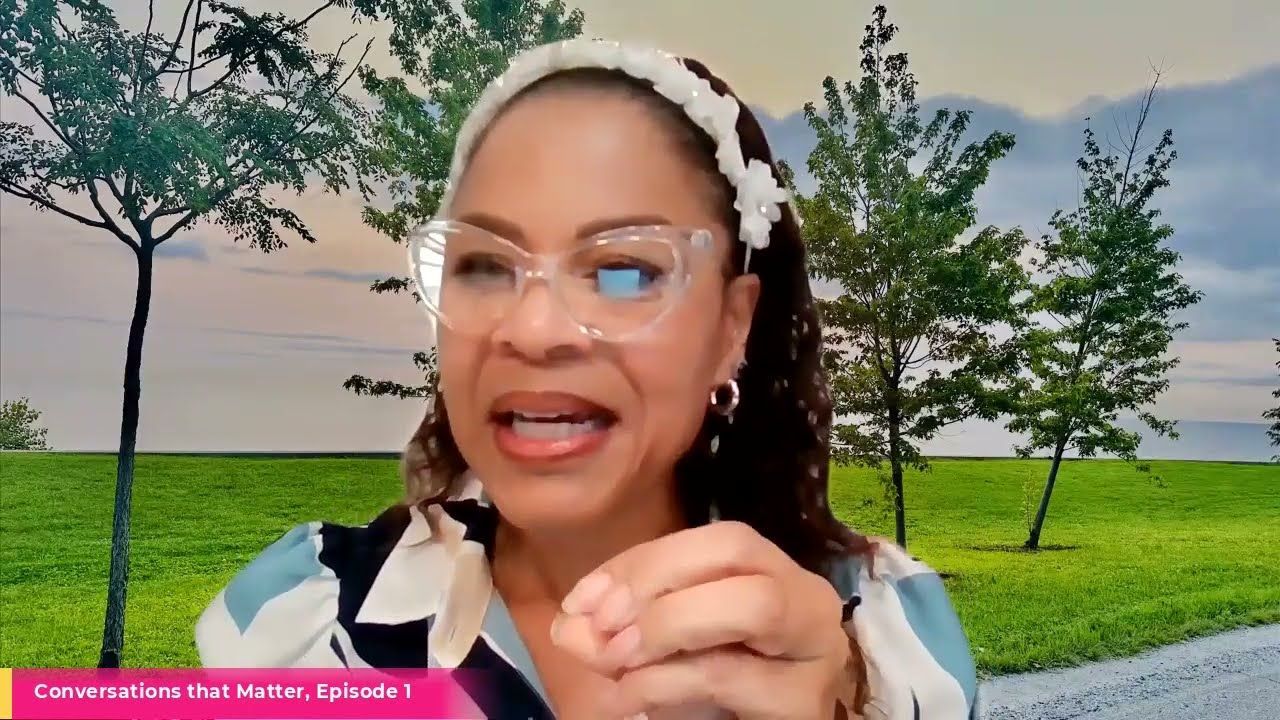
The White Coat and the Compression Sleeve
A candid conversation about what happens when the physician becomes the patient - and how lived experience can reshape the way we understand cancer survivorship and lymphedema.
Stories & Articles
Stories, perspectives, and practical insights that illuminate the patient and survivor experience, including original LIVE Today features and selected articles from trusted contributors and platforms.

Beyond the Pink Ribbon: What Breast Cancer Awareness Still Needs to Get Right
Eighteen years after her diagnosis, physician, breast cancer survivor, and patient advocate Dr. Sheri Prentiss challenges us to look beyond awareness—and confront what it truly means to live with and beyond breast cancer.
By; Aryana Hadjimohammadi
Every October, pink ribbons, fundraising walks and awareness campaigns bring breast cancer into the public conversation. But for people living with the disease, the experience does not end when the month does. Treatment can leave lasting complications, medical expenses can continue to mount, and survivors may face a new reality long after their final appointment.
For Dr. Sheri Prentiss, a physician diagnosed with breast cancer in 2008, that gap between public awareness and patients' everyday lives is central to her advocacy.
"I knew how to interpret a diagnosis," Prentiss said. "I didn't know how to explain to my daughters that their mother had cancer while they were already preparing to lose their grandmother."
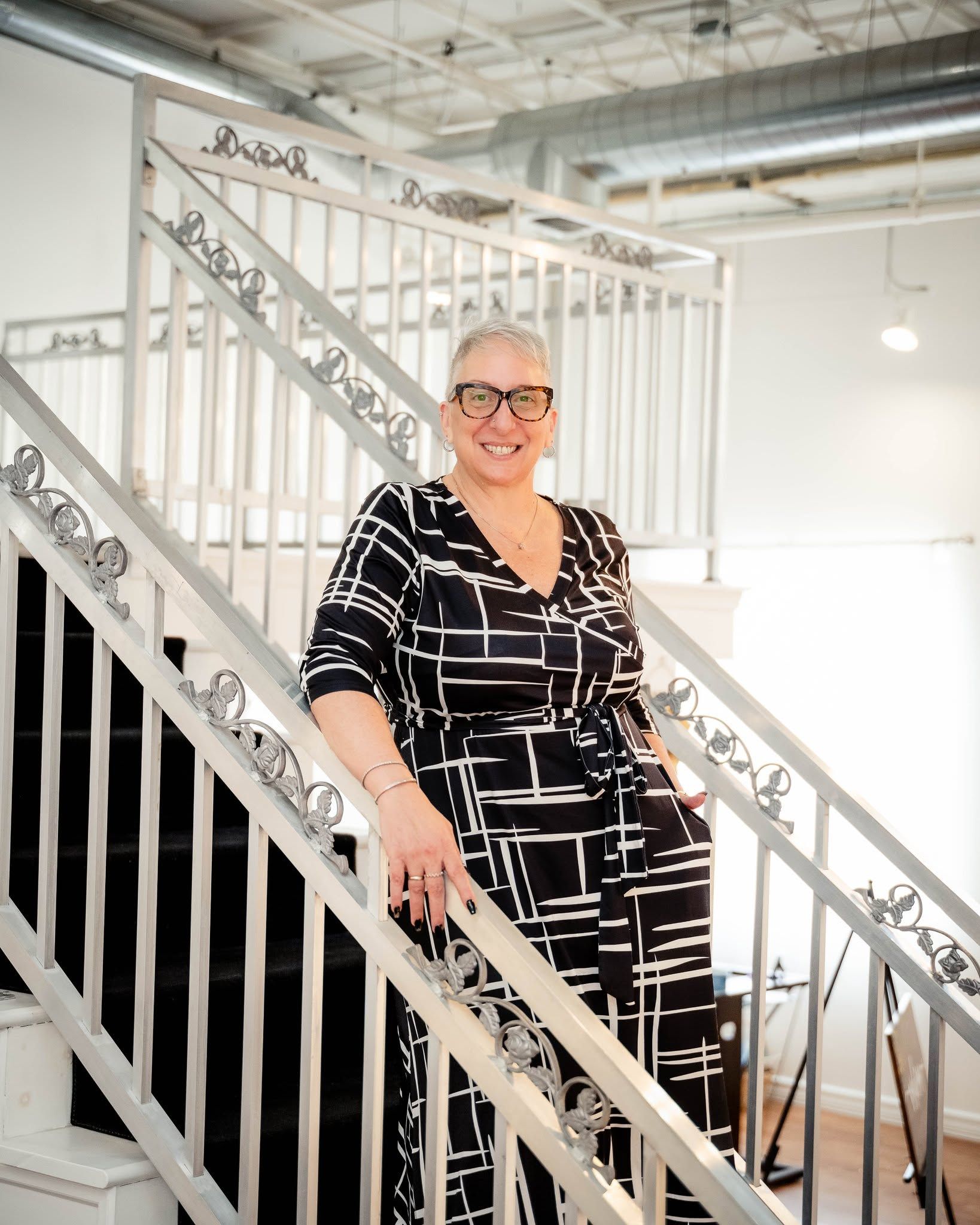
McGlynn Media LLC - https://www.mcglynnmedia.com/
The Lens of Survivorship: How Lori Prashker-Thomas Found Purpose in the Portrait of Healing
Surviving cancer and learning how to live after cancer are two very different journeys.
By; Aryana Hadjimohammadi
Introduction
Lori Prashker-Thomas knows this truth intimately. She has lived it. She has walked through the fear of diagnosis without health insurance, the uncertainty of treatment, the physical and emotional changes that cancer leaves behind, and the quiet, ongoing work of learning to recognize herself again.
But she also knows something else. She knows that sometimes; it takes a single moment—a single photograph—to help a person see what has been there all along.
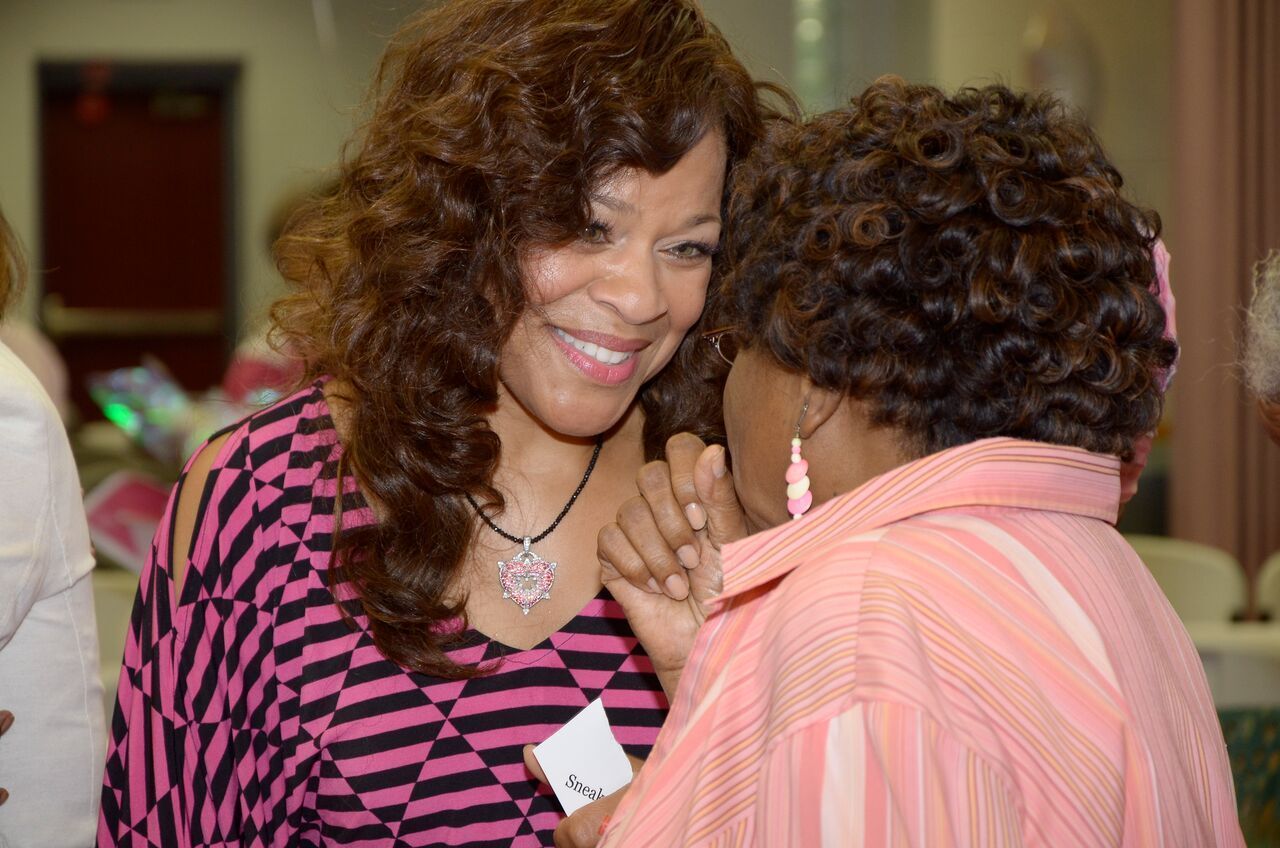
THE CONVERSATION THAT CHANGES EVERYTHING
From telling her dying mother to facing her children’s fears, physician and breast cancer overcomer Dr. Sheri Prentiss reflects on sharing a cancer diagnosis with the people you love—and finding the courage to live beyond the words “I have cancer.”
When someone hears the words “You have cancer,” the diagnosis rarely belongs to that person alone. Eventually, the words must be shared with the people they love—and those conversations can be among the most difficult parts of the cancer journey.
Drawing from her experiences as both a physician and a breast cancer overcomer, Dr. Sheri Prentiss shares what she learned about telling her children while their grandmother was dying, navigating the reactions of family and friends, asking for and receiving support, setting boundaries, allowing space for grief, and choosing hope even when there are no guarantees.
Her message is both simple and profound:
Cancer may change your life, but it does not get to define your life. The diagnosis is a chapter—not the entire story.
Why Lymphedema Screening Must Become a Standard Part of Cancer Care
Cancer survivorship is about more than eradicating cancer cells—it’s about the life that comes afterward. For millions of survivors, that life is shadowed by a complication few are warned about: lymphedema.
After my own breast cancer treatment, I developed severe lymphedema in my dominant arm. The swelling and pain forced me to leave my clinical practice and reimagine every part of daily living—from the clothes I wear to how I cook.
In the latest issue of Oncology Times, I shared my story and the urgent call for standardized lymphedema screening. Tools like bioimpedance spectroscopy (BIS), used in the SOZO device, can detect fluid changes before visible swelling starts. Early detection could spare countless survivors the irreversible challenges I now manage every day.
But this is also an equity issue. Black women are 3.5 times more likely to develop lymphedema than White women, yet many lack access to early screening and care. We must change this.
Survivorship should mean living fully—not simply surviving.
I hope you’ll read the article and join me in advocating for change.
Patient & Educational Resources
Trusted information and practical tools to help patients and survivors navigate treatment, survivorship, lymphedema, and life beyond cancer.
